Wheat rust programmes
Capturing wheat research throughout the year.
Over the years, I’ve worked alongside several wheat research projects, often focus specifically on wheat rust. Much of this has been in connection with MARPLE Diagnostics and the DEWAS project.
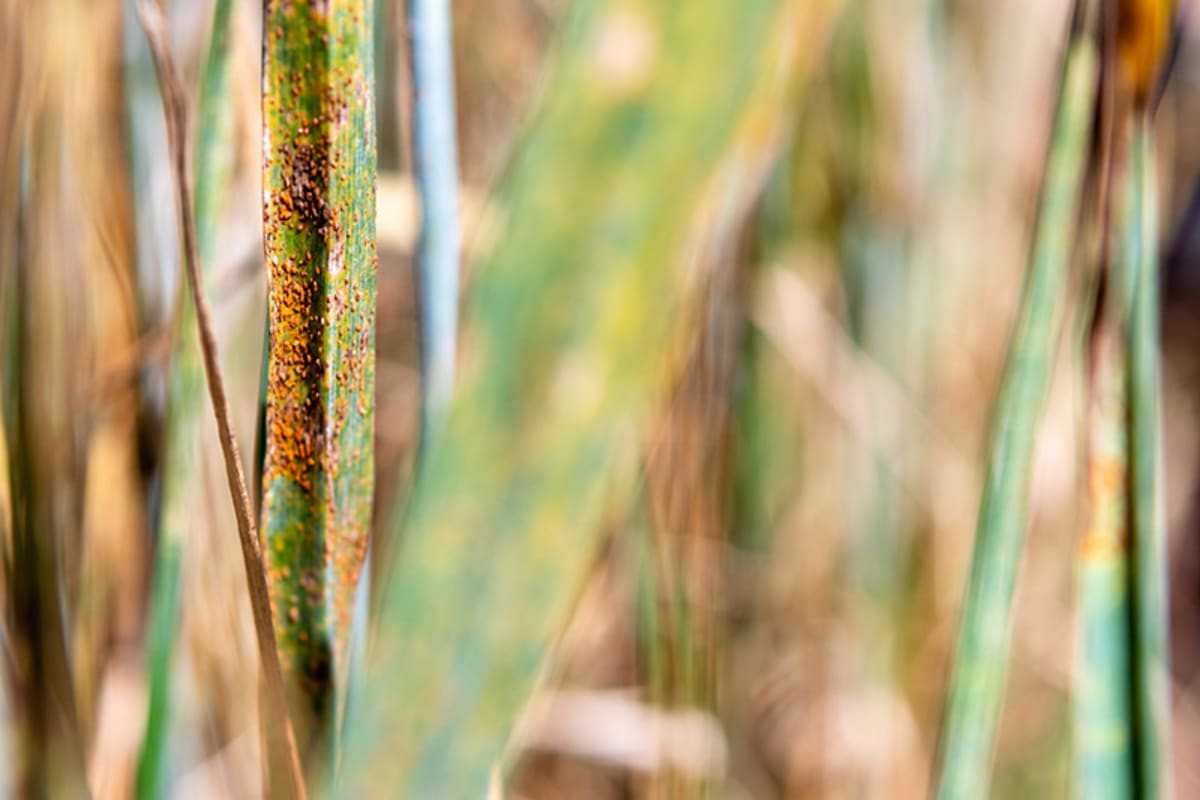
Part of the photographic aim for this work was to improve visibility about the crop, the journey of its production and the disease threats. It helps that the orange colouring of rust stands out to draw attention to the shot.
I’ve also been involved in producing videos for wheat projects to describe the research, particularly for MARPLE and the wheat rust projects (such as the video below). For these videos, I normally film using a Canon DSLR (80D) and external voice recording. I very rarely use a lights as these interviews are often held quickly between other meeting activities or held as part of busy travel plans where packing light is essential.
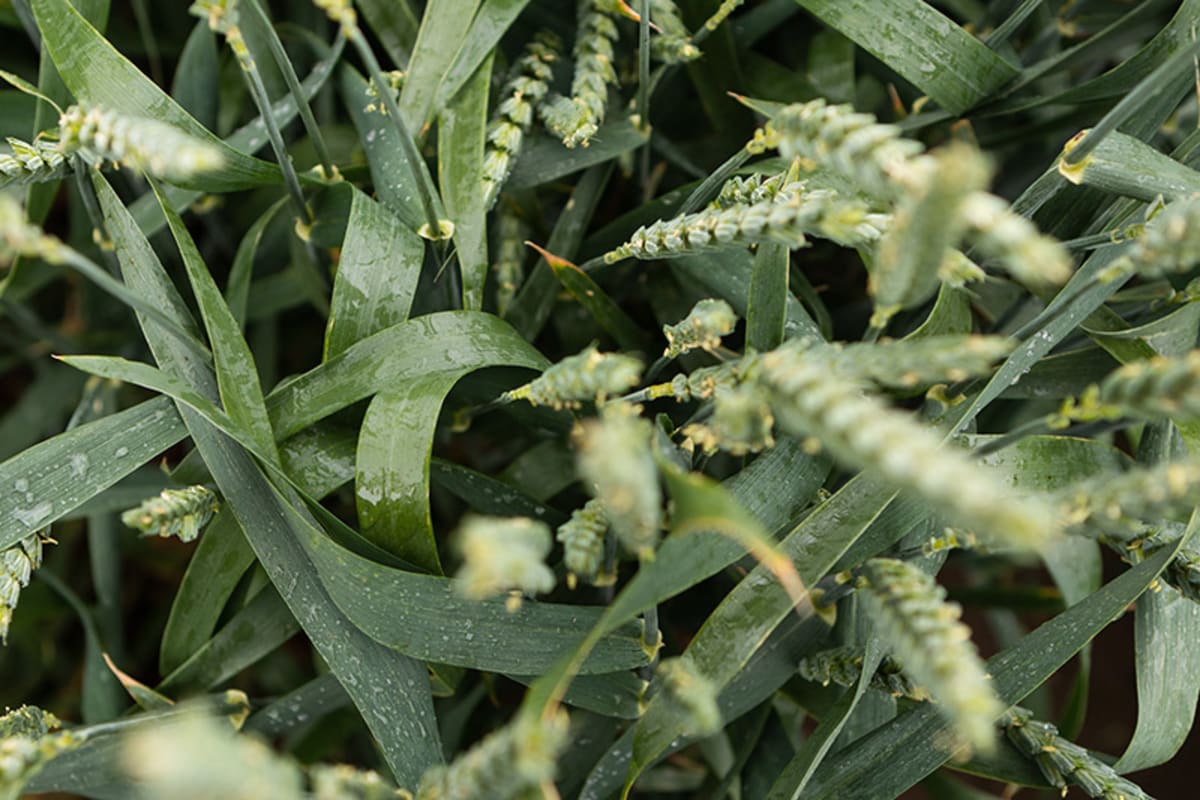
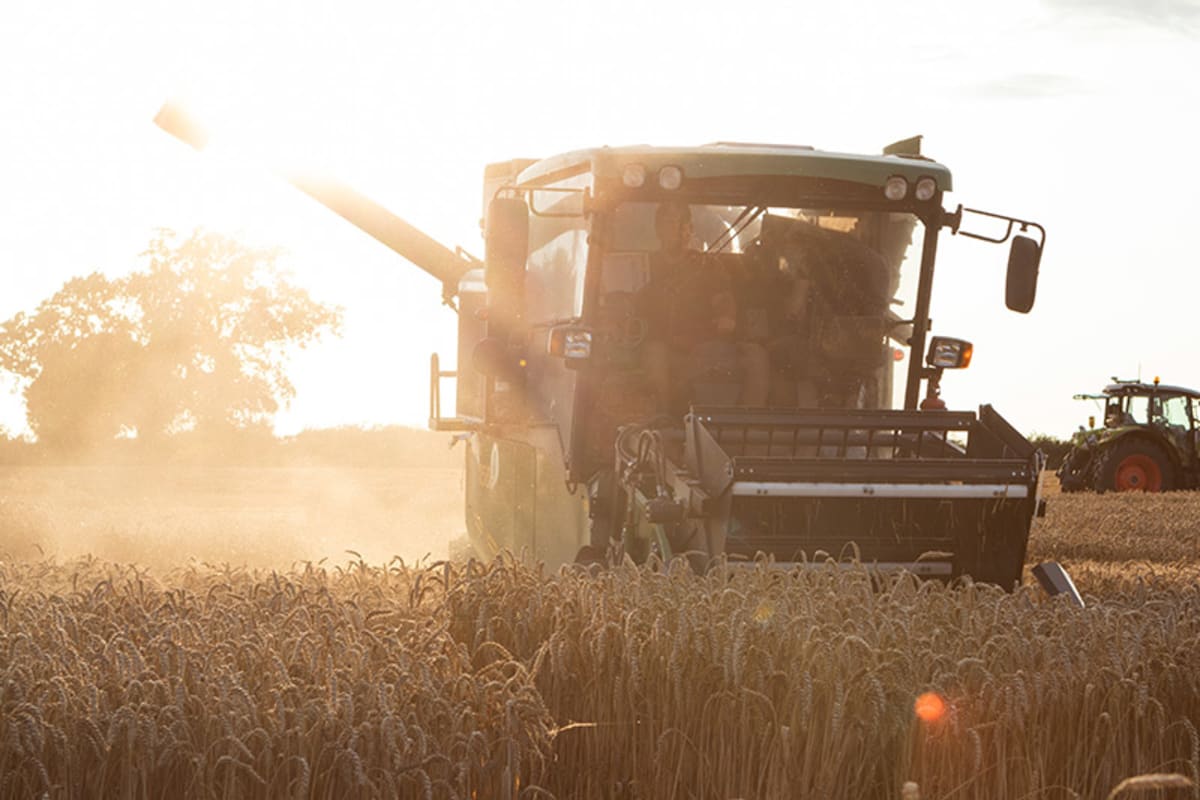
Part of my aim in creating a portfolio of wheat images throughout the year was to provide researchers with high-quality images to use in presentations. Incredibly, many of the wheat researchers I meet have worked on the crop for years and yet have little to no high-quality images of wheat fields, plants and harvests. Having these images can make all the difference when communicating the work in slides or reports
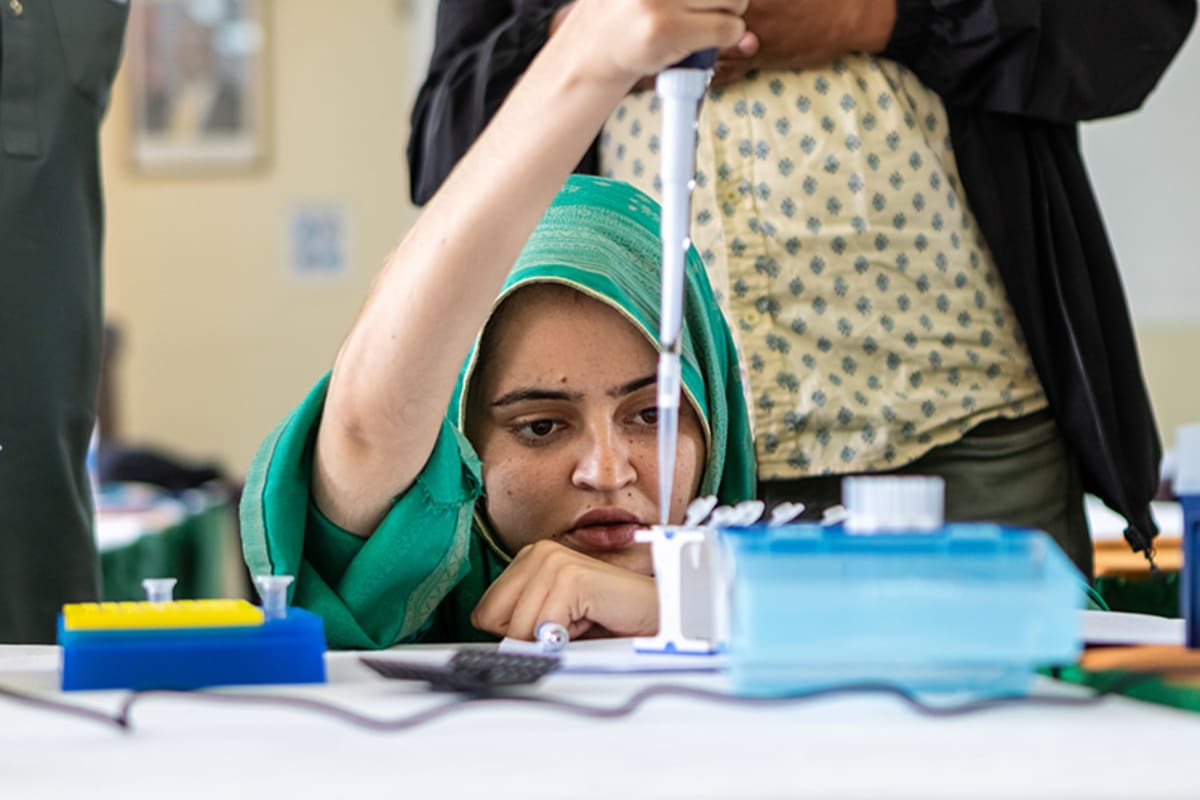
We now have portfolios that follow the whole process of wheat farming, both in the field and the quantification in the lab.
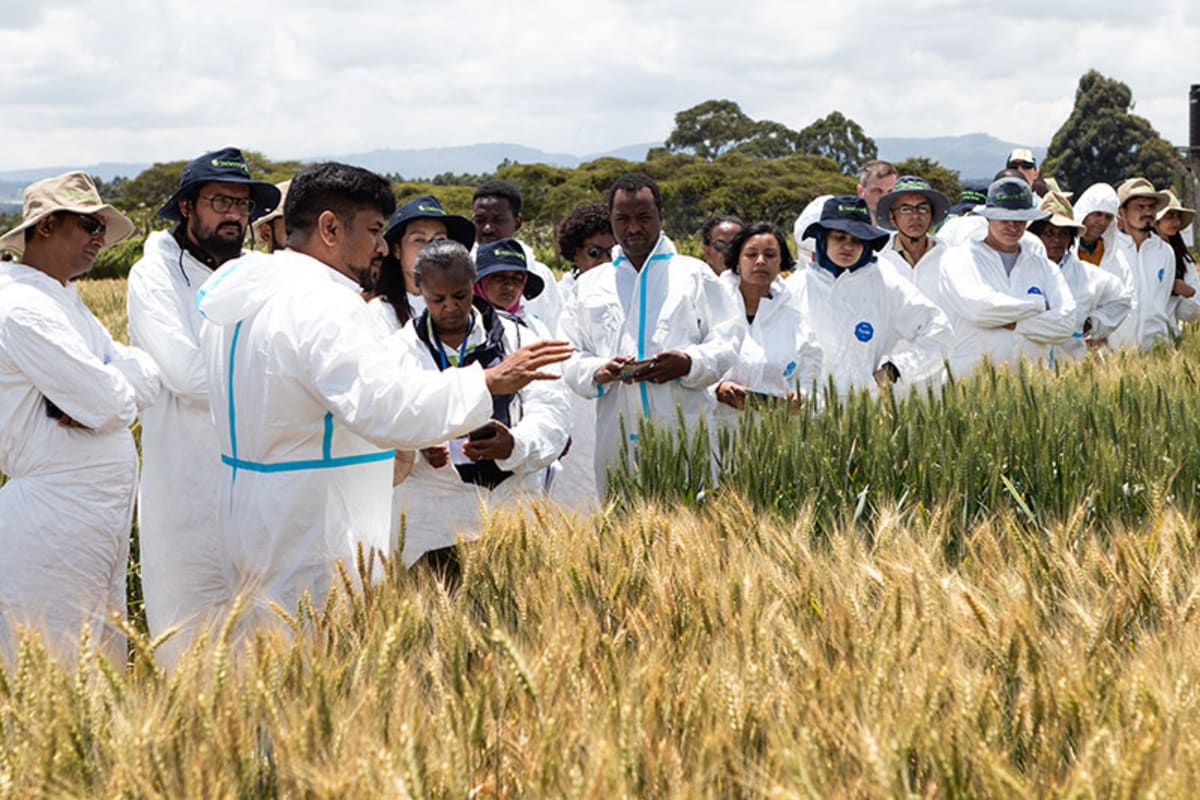
A large part of the wheat research also involves a capacity building component. MARPLE particularly involves regular training and its been excellent for use to use this visual content to showcase this side of the project.