What we learned from bringing together global expertise on gene editing regulation
Working with the UK-CGIAR Centre to support policy alignment efforst.
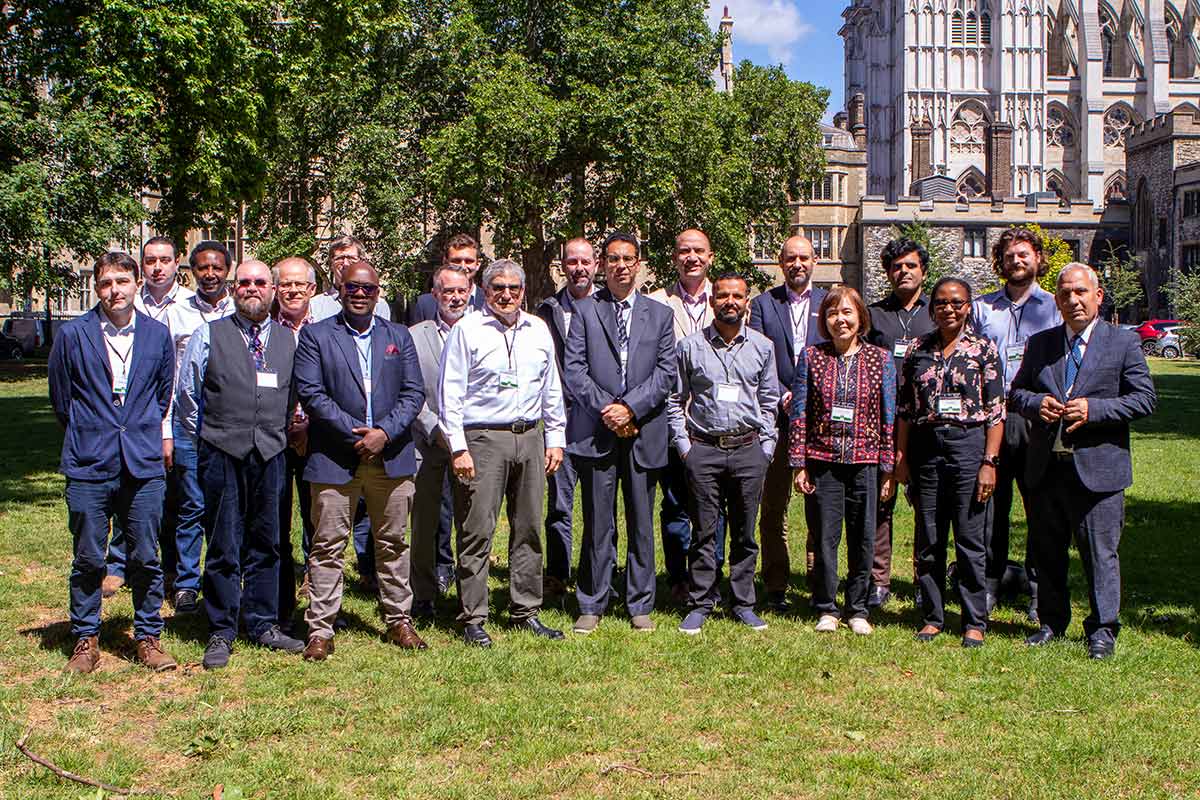
We had a fantastic day with the UK-CGIAR Centre: Bringing together global expertise on gene editing regulation to inform alignment for sustainability, food and livelihood benefits (I’m behind the camera!). In short:
Gene editing regulations are rapidly changing around the world - You can track these changes here - Europe changed just today.
These changing regulations affect how how biotechnologies can be used as a tool to support sustainability, food and livelihood security. But these policies, and the systems through which regulations take place, are often sightly different in each country.
Given the globalised nature of our food system and the overlaps in challenges new GE technologies could address, it is important to bring together policy and regulatory actors to learn from the opportunities and barriers experts face Doing so helps inform better regulations and their international alignment to unlock greater societal benefit from GE technologies.
Thank you too a wonderful team working on this representing a huge global area, including:
- 🇪🇬 Ahmed Elkot and Maher El-Maghraby of Agricultural Research Center - Egypt
- 🇰🇪 Anne Muia of National Biosafety Authority and Steven Runo of Kenyatta University
- 🇲🇦 Zakaria Kehel of ICARDA; International Center for Agricultural Research in the Dry Areas
- 🇵🇰 Shaukat Ali of the National Agricultural Research Centre (NARC), Tariq Mahmood of Quaid-i-Azam University, Islamabad and Usman Khalid Chaudhry of Pakistan Biosafety Clearing House (PAK-BCH)
- Ph: Inez Slamet-Loedin of International Rice Research Institute and OneCGIAR Gene Editing Initiative.
- 🇿🇦 Billy Ratemo of African Union Development Agency-NEPAD
- 🇬🇧 Tim Willis of BBSRC, Richard Shaw of CABI, Andrew Cornish and Richard Lloyd Mills of Department for Environment, Food and Rural Affairs, Adam Deverill, Duncan Barker and Tim Daniell of Foreign, Commonwealth and Development Office, Cristóbal Uauy of John Innes Centre, Christopher Darby of Norwich Institute for Sustainable Development and other UK colleagues not photographed here.
- 🇺🇸 Jeffrey Rosichan of International Wheat Yield Partnership
We’ll be releasing a dialogue report of the findings soon, and some ideas on how to build on all of this.
Huge thanks to FCDO for providing the funding to make this timely event possible. Thank you to CABI for the huge support through the UK-CGIAR Centre - a fantastic collaboration that is driving impact from our research. Thank you also to everyone involved.
Read the press release here.